
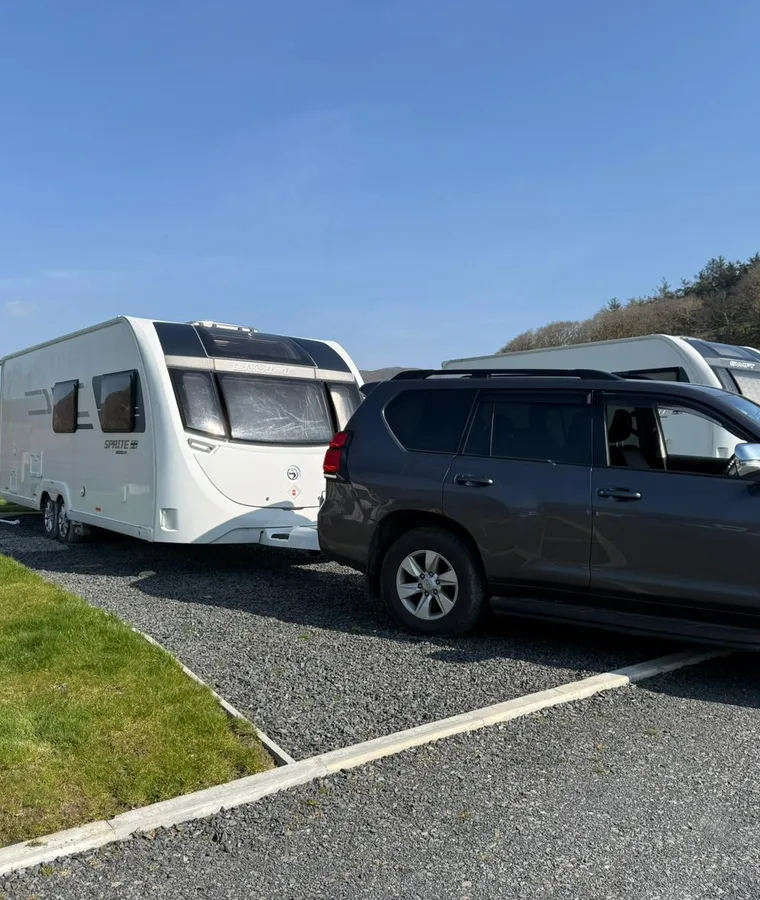
Describe the history and present condition of a used vehicle, separating cosmetic wear, working faults and previous repairs.
Separate normal wear from unresolved faults
Photograph worn upholstery, marked panels and damaged fittings, then explain issues affecting use such as leaks or appliances that do not work. If the vehicle has been unused for some time, say which systems have actually been checked recently.
- Show high use areas, including seating, floor and washroom.
- Explain any previous water ingress and repairs.
- Avoid assuming equipment works simply because it worked when last used.
Give the maintenance story you can support
Send the records you have, including service reports, repair invoices and relevant condition checks. Missing records should be mentioned honestly. If work was completed by a previous owner and you do not have details, distinguish that from work you can document.
Describe the campervan conversion and base van
Campervans vary in both the base vehicle and the conversion. Explain who carried out the conversion if known, the sleeping and seating arrangement and what records are available. Include modifications accurately without assuming that recent equipment proves the whole conversion is in good condition.
- Base van make, model, year, mileage, MOT status and service history.
- Conversion details, available records, sleeping layout and travel seats.
- Pop top or high top condition, roof canvas, seals, cupboards and flooring.
- Leisure battery, charging, heating, water, cooking equipment and known faults.
Your campervan location and access in Lyme Regis
If your campervan is kept in Lyme Regis, provide its actual postcode and access details. The collection address may be different from your home address. Collection availability, timing and any charges must be confirmed for the vehicle and location. If it is stored closer to Bridport, Sidmouth, Taunton or Weymouth, tell us that location in your enquiry.
- At home: mention gates, parking restrictions and space to approach and move the vehicle.
- At a storage site or pitch: check opening hours, visitor requirements and whether you must attend.
- Tell us about missing keys, locks, flat batteries or any known reason the vehicle cannot move.
- Photograph access from a safe position; do not move an unsafe vehicle or climb onto a roof for pictures.
What to confirm before handing over your campervan
Keep the valuation, any inspection findings and the agreed sale arrangements together. A photo based estimate, an appointment and a completed purchase are different stages. Ask for any change to an offer to be explained before deciding whether to proceed.
- Confirm the agreed amount, what is included and whether any checks remain outstanding.
- Agree the payment method and collection arrangements, including any charges, before accepting.
- Check payment through your own account where a bank transfer is used before releasing the vehicle or keys.
- Keep a written record of the handover and the documents supplied.
Nearby collection enquiries
Send the current postcode and any access or movement concerns so collection arrangements can be discussed.
View all campervan areas and selling guides